Why Reading Together Matters
Supporting Literacy and Connection Across the Lifespan
Reading together is one of the simplest and most powerful ways to support human development. Whether a child is hearing a story for the first time, a parent is reading at bedtime, or an elder is sharing a favorite book with grandchildren, the act of reading together strengthens language, learning, and connection across the lifespan.
Research consistently shows that reading aloud in early childhood supports vocabulary development, attention, imagination, and long term academic success. Yet the value of shared reading extends beyond literacy skills. When adults and children sit together with a book, they are also building relationship, trust, and emotional security.
These small moments of shared attention help children experience learning as something joyful and relational.
Reading Together in Early Childhood
In the earliest years of life, language develops through interaction. A child listens to the rhythm of a familiar voice, observes facial expressions, and begins to connect words with meaning. Reading together becomes a powerful tool for supporting this natural development.
Shared reading helps children:
• build vocabulary
• strengthen listening and concentration
• develop imagination and curiosity
• form positive associations with books and learning
• deepen relationships with caregivers and teachers
For young children, a book is not simply a collection of words on a page. It is an invitation to explore ideas, emotions, and stories alongside a trusted adult.
Over time, these experiences shape how children approach learning. When reading is experienced as something warm and shared, it often becomes a lifelong habit.
The Science of Shared Reading
Studies in early childhood development consistently show that reading aloud strengthens the neural pathways that support language and comprehension. The back-and-forth exchange that happens while reading together, asking questions, pointing to pictures, noticing details, builds cognitive connections that support later academic success.
But literacy development is only part of the story.
Shared reading also supports emotional development. Sitting close to a caregiver or teacher while listening to a story helps children feel secure and connected. These experiences reinforce the sense that learning happens within relationships.
In this way, reading together supports both intellectual growth and social health.
Stories That Strengthen Community
Reading together is not only a family activity. It can also be a meaningful community experience.
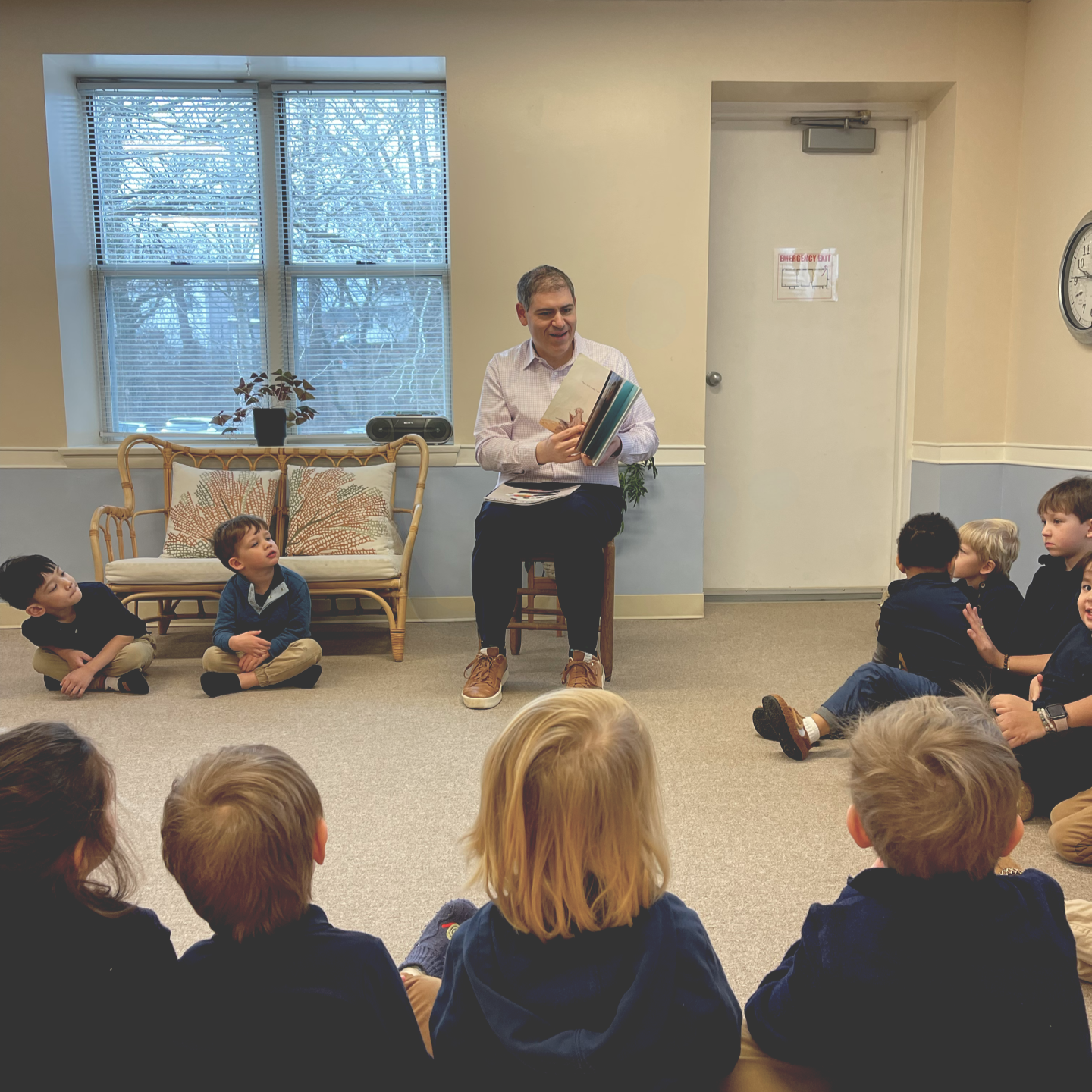
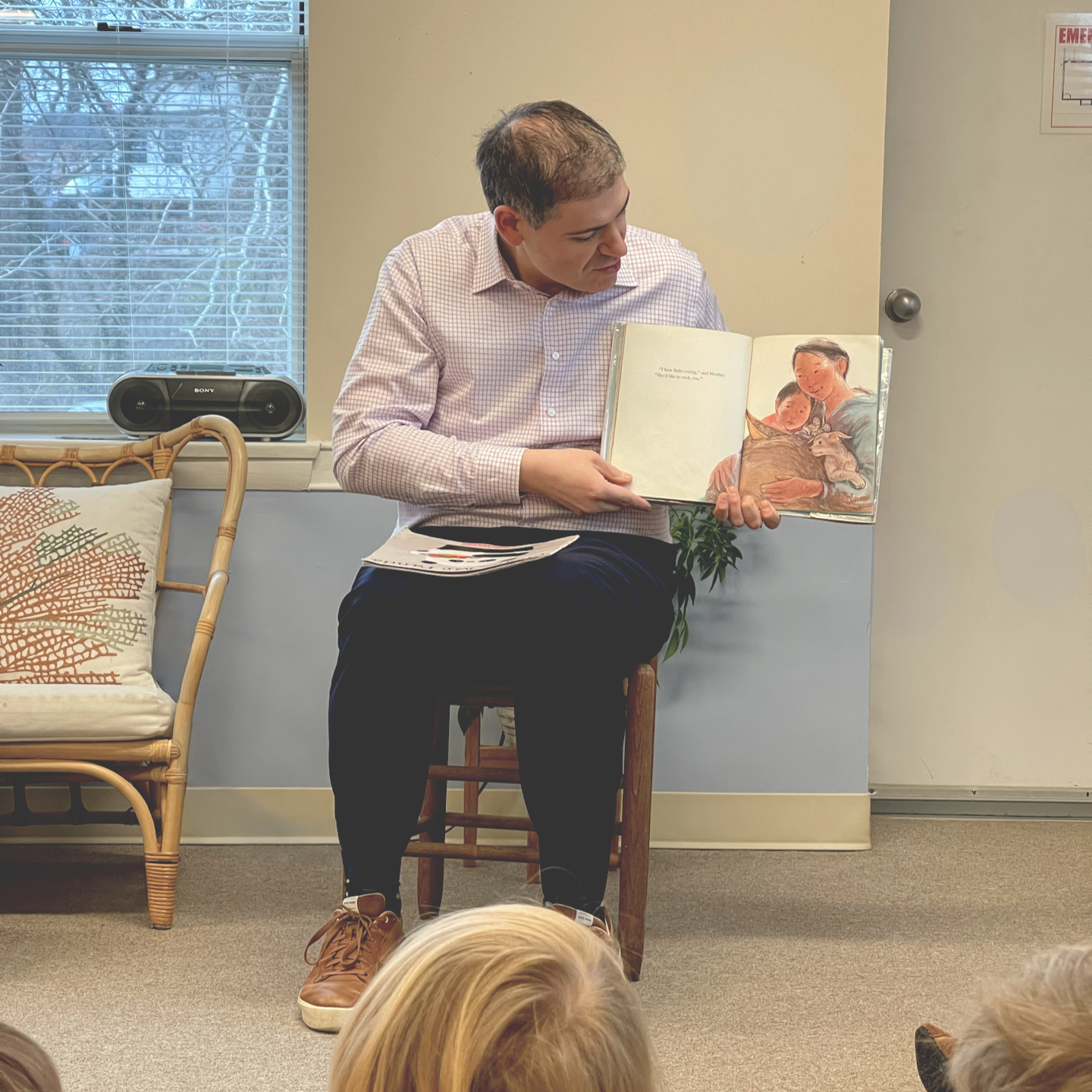
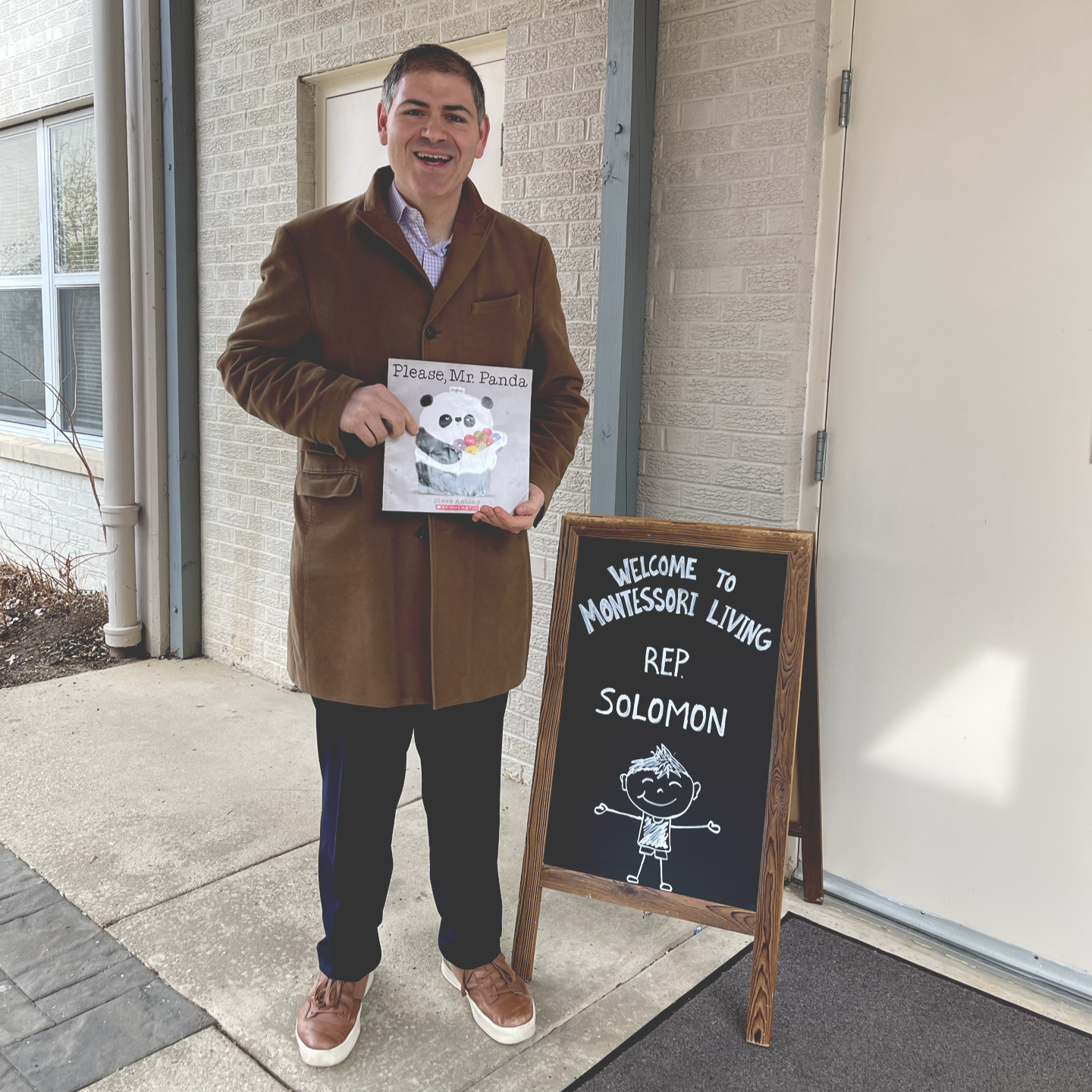
During Read Across America celebrations this week, our campus welcomed Maryland State Delegate Jared Solomon to share a story with the children. Sitting together and listening to a guest reader created a moment of excitement and curiosity for the classroom.
Experiences like this help children see that stories belong to everyone. Books connect classrooms to the wider community and remind children that learning is valued beyond the walls of the school.
These moments may seem simple, but they reinforce an important message: children, learning, and literacy matter to the broader community.
Reading Across Generations
At Montessori Living, we see learning as something that unfolds across the lifespan. The curiosity that inspires a young child to listen closely to a story is the same curiosity that supports lifelong learning in adulthood and later life.
Through the work of the National Center for Montessori and Aging, we see how reading, storytelling, and conversation continue to support cognitive engagement and emotional well-being for older adults.
Stories help people of all ages connect with one another, share memories, and explore ideas together.
From infancy to older adulthood, reading together remains one of the most accessible ways to nurture curiosity, social health, and lifelong learning.
A Lifelong Relationship with Learning
In a fast-moving world, reading together offers something increasingly rare: a moment of shared attention.
A child listening closely.
An adult turning the pages slowly.
A conversation sparked by a character or idea.
These quiet experiences build the foundation for language, imagination, and relationship.
A story shared with a child today becomes part of their lifelong relationship with learning.
And often, the simplest moments, sitting together with a book, are the ones that last the longest.