Nurturing Social Health in an Intergenerational Community
In recent years, researchers across public health, psychology, and longevity science have affirmed something both simple and profound: social health is essential to human well-being.
At every stage of life, our relationships shape our resilience, emotional stability, and long term health outcomes. Social connection is not a luxury. It is foundational to how individuals and communities thrive.
At Montessori Living, we see this truth unfold daily.
Why Social Health Matters Across the Lifespan
Social health refers to the strength and quality of our relationships and our sense of belonging within a community. Studies increasingly show that meaningful social connection contributes to:
Emotional resilience
Cognitive vitality
Reduced stress
Increased longevity
Improved mental well-being
Children flourish when they feel secure in consistent relationships. A stable adult presence allows curiosity, confidence, and executive function to develop.
Adults feel steadier when they know they are not alone. Supportive networks buffer stress and promote emotional regulation.
Older adults benefit from continued engagement and meaningful participation in community life, reinforcing dignity, identity, and purpose.
Across the lifespan, community connection strengthens the resilience that helps us navigate life’s seasons.
Early Childhood Education and Social Health
High-quality early childhood education is not only about academic readiness. It is about relationship stability.
Consistent educators, predictable environments, and emotionally responsive classrooms create the foundation for:
Language development
Self-regulation
Secure attachment
School readiness
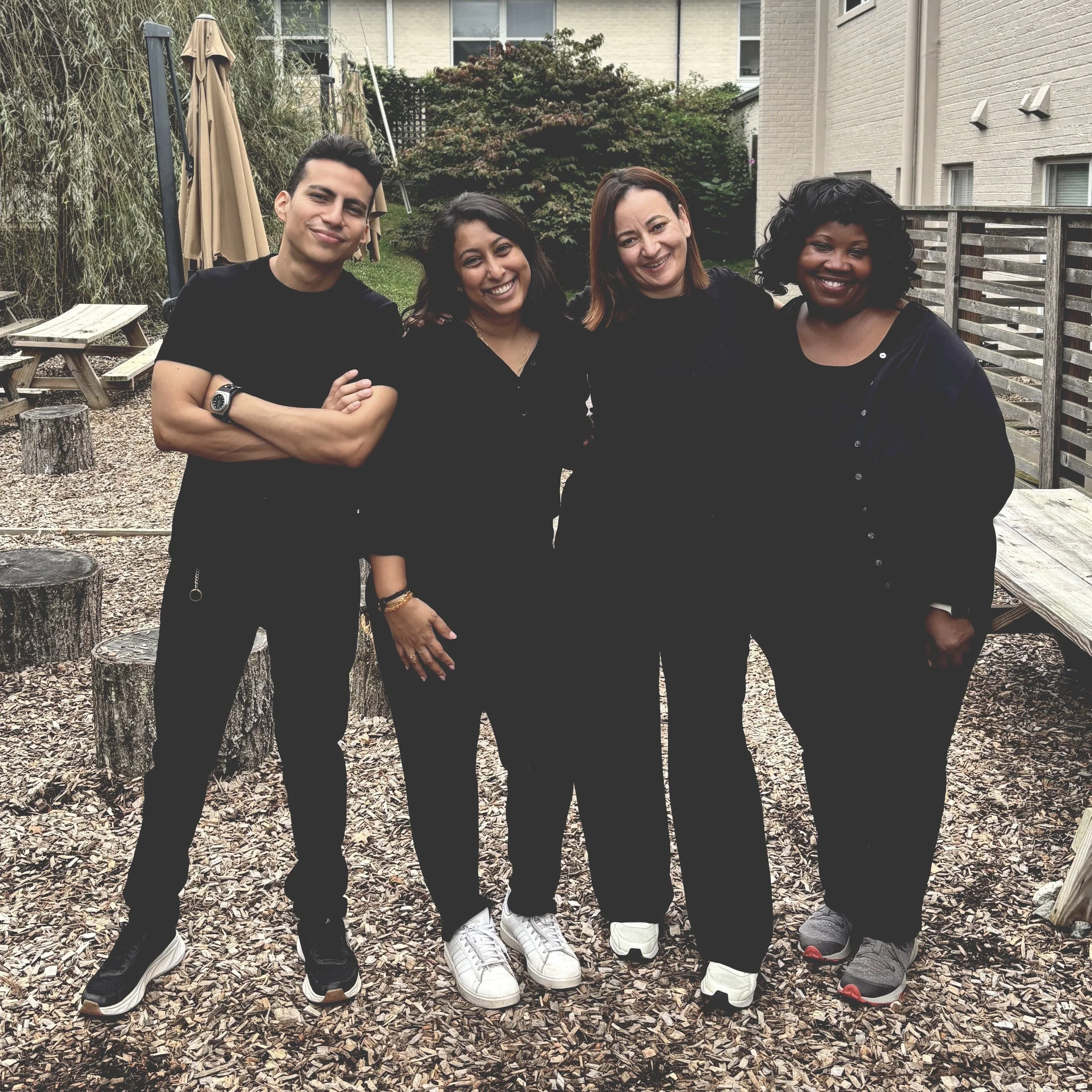
When educator turnover is high, children experience disruption in attachment and continuity. When educators are supported and retained, children experience stability.
In this way, supporting the early childhood workforce is directly connected to community well-being.
Stable educators lead to secure children. Secure children support stable families. Stable families strengthen neighborhoods.
Social health begins early.
Building an Intergenerational Community
At Montessori Living, nurturing social health is part of our daily practice across generations.
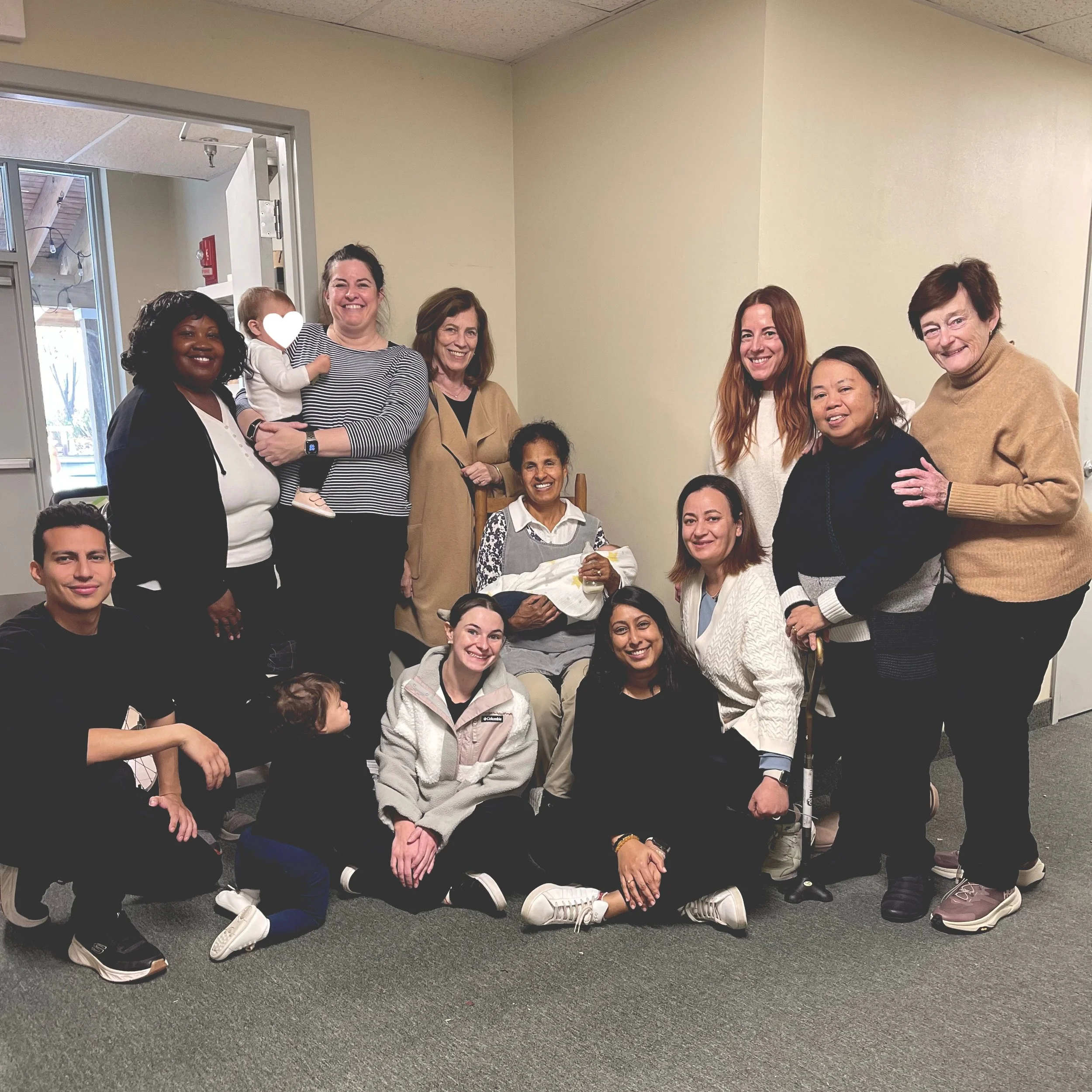
We intentionally cultivate an intergenerational community where children, families, educators, and older adults interact meaningfully. Social health unfolds:
In classrooms where children are known and guided with care
Over shared meals and campus gatherings
In conversation between educators and families
In everyday exchanges that create familiarity and trust
Intergenerational engagement supports both cognitive vitality and emotional resilience. Children gain perspective and empathy. Adults experience purpose and shared responsibility. Older adults remain engaged and valued.
This model reflects a growing understanding within longevity research: social connection is a protective factor across the lifespan.
Strengthening Community Connection Through Communication
Healthy communities require consistent communication.
This week, we launched our official Montessori Living WhatsApp Community, a simple but meaningful step to strengthen connection across our campus.
While digital tools cannot replace face-to-face relationships, they can support relational continuity. Clear updates, shared information, and accessible touchpoints reduce isolation and reinforce belonging.
In modern life, many adults experience limited “friend time” outside of work and family. Intentional spaces for connection matter.
As always, all are welcome.
Social Health as Community Infrastructure
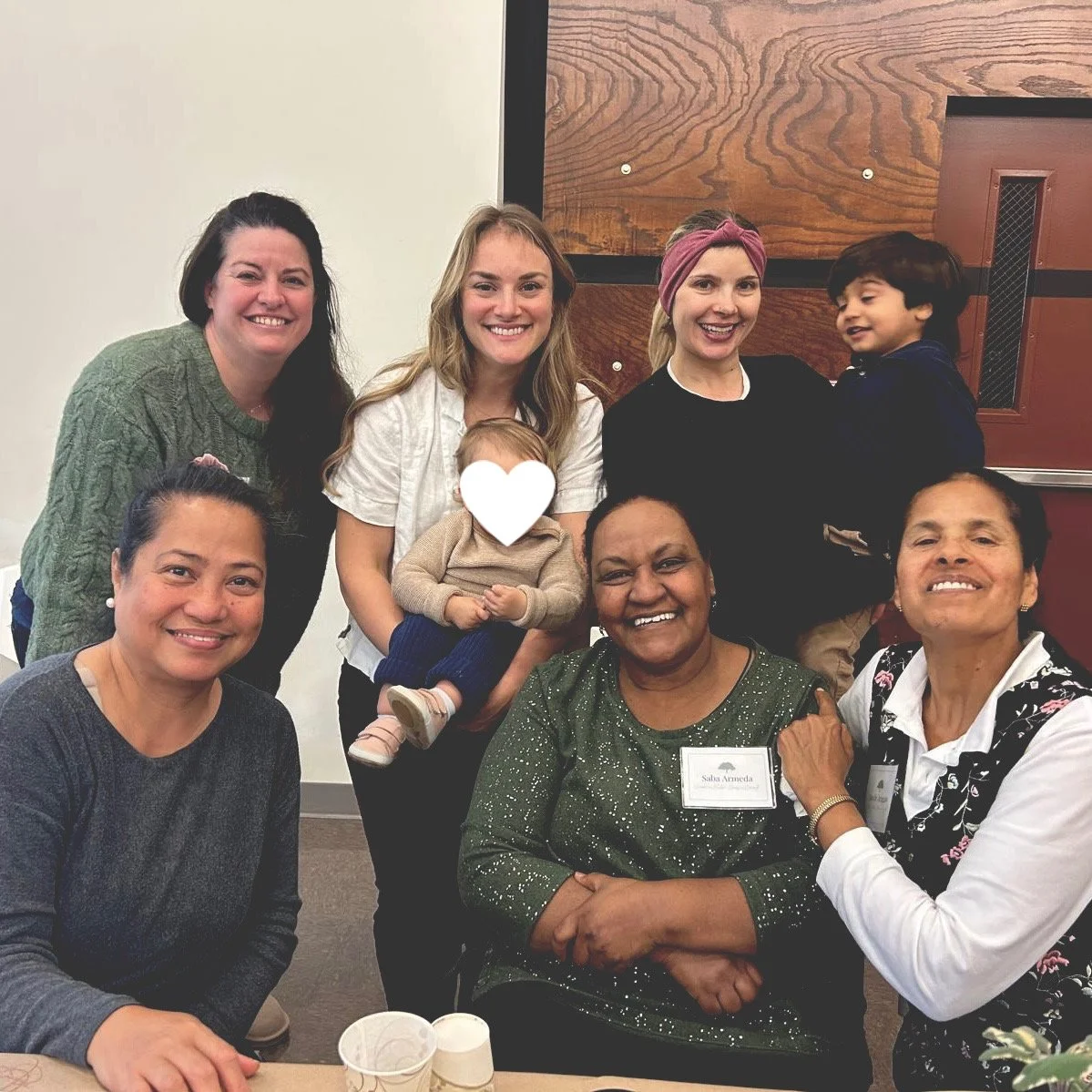
When social health is nurtured consistently, community becomes more than a physical location. It becomes:
A source of emotional resilience
A buffer against isolation
A support system for working families
A stabilizing force for children
A contributor to long term well-being
Healthy communities do not happen accidentally. They are cultivated through stable relationships, workforce support, and intentional design.
At Montessori Living, we believe that connection sustains learning, strengthens families, and supports longevity.
Because when social health is prioritized, resilience follows.
And resilience, over time, becomes well-being.