Improving Executive Functioning in Our Children
Dear families,
The sixth month anniversary of the coronavirus shut down occurs next week. We have been indoors too much, isolated from our social networks--both family and friends, sedentary in front of screens, unable to travel or attend cultural activities, sports events, religious services, or even shop in person! While necessary, the restrictions erode our ability to respond thoughtfully when challenged. Our executive functioning is compromised!
One of the most important parts of learning is executive functioning: basically the ability to retain information, to restrain from an automatic or 'knee-jerk' response, and to be creative about options when challenged. These are the qualities that have been shown to predict lifetime success in school, work, and life--NOT reading and math! So many aspects of Montessori education support developing executive functioning, but it's not just the moveable alphabet or golden beads! A Montessori environment supports appropriate social interaction, spoken language skills, ability to move freely with increased body awareness, in addition to cognitive learning. In fact, social development enhances cognitive learning--and makes it more enjoyable. As we've learned ourselves, social interaction is essential even for an introvert!
Crossway Community's mission is to create opportunities to learn--at any age, across the life span. Crossway's Advisory Board keeps the Crossway team up to date on the latest research. Take a look at the article published by Dr. Adele Diamond, a member of Crossway's Advisory Board and a renowned researcher on brain development:
http://www.devcogneuro.com/Publications/zero_to_three_2014_executive_functions.pdf
According to Dr. Diamond’s research, sports, dance, music, even yoga provide a complete package of sensorial input, focus/concentration, physical challenge, and emotional gratification that build executive functioning. In most school systems, these are considered 'enrichment activities,' not essential to learning, and have been cut from curricula in order to create more time for academic subjects. This is a decision that will have long-term impact on students' ability to learn, adapt, and socialize.
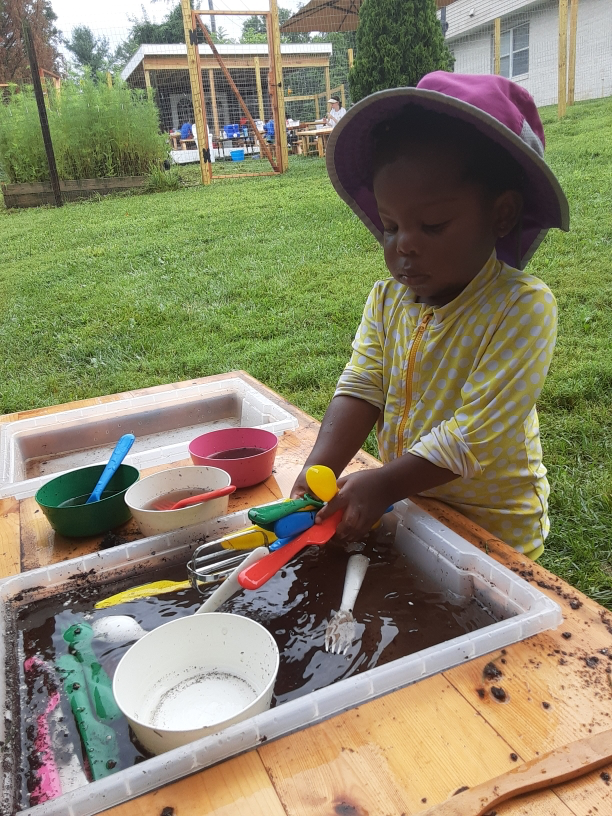
So to create balance in our lives and the lives of our children, many of whom are learning virtually, the challenge is how to marry an increasingly computerized work/school environment with the 'enrichment activities' that make it possible for us to think and plan! As schools go virtual this Fall, we've decided to go outdoors where the 'enrichment activities' will support the children's brain development and expand their executive functioning skills--as well as keeping them healthy and safe.
Stay healthy,
Ann Byrne, Head of School, Deputy Director for Montessori Education