

Supporting Young Children Through the Holiday Season
A Montessori approach to travel, gatherings, and gift-giving

The holiday season is full of excitement, tradition, and joyful anticipation. It can also be a time of disruption, especially for young children who depend on predictable rhythms to feel secure. When traveling or staying in new environments, children benefit from familiar routines and comfort items, like a favorite blanket, book, or stuffed animal. These small anchors help them stay grounded and regulated when their world feels unfamiliar.

Montessori also encourages involving children in meaningful participation; even during travel, children can help pack a small backpack, choose snacks, or carry a travel kit. Offering appropriate independence supports confidence and reduces stress for both children and caregivers. Preparing children ahead of time for long waits, car rides, security lines, loud environments, and new relatives can also make transitions smoother, as a child who knows what to expect feels safer and more secure.
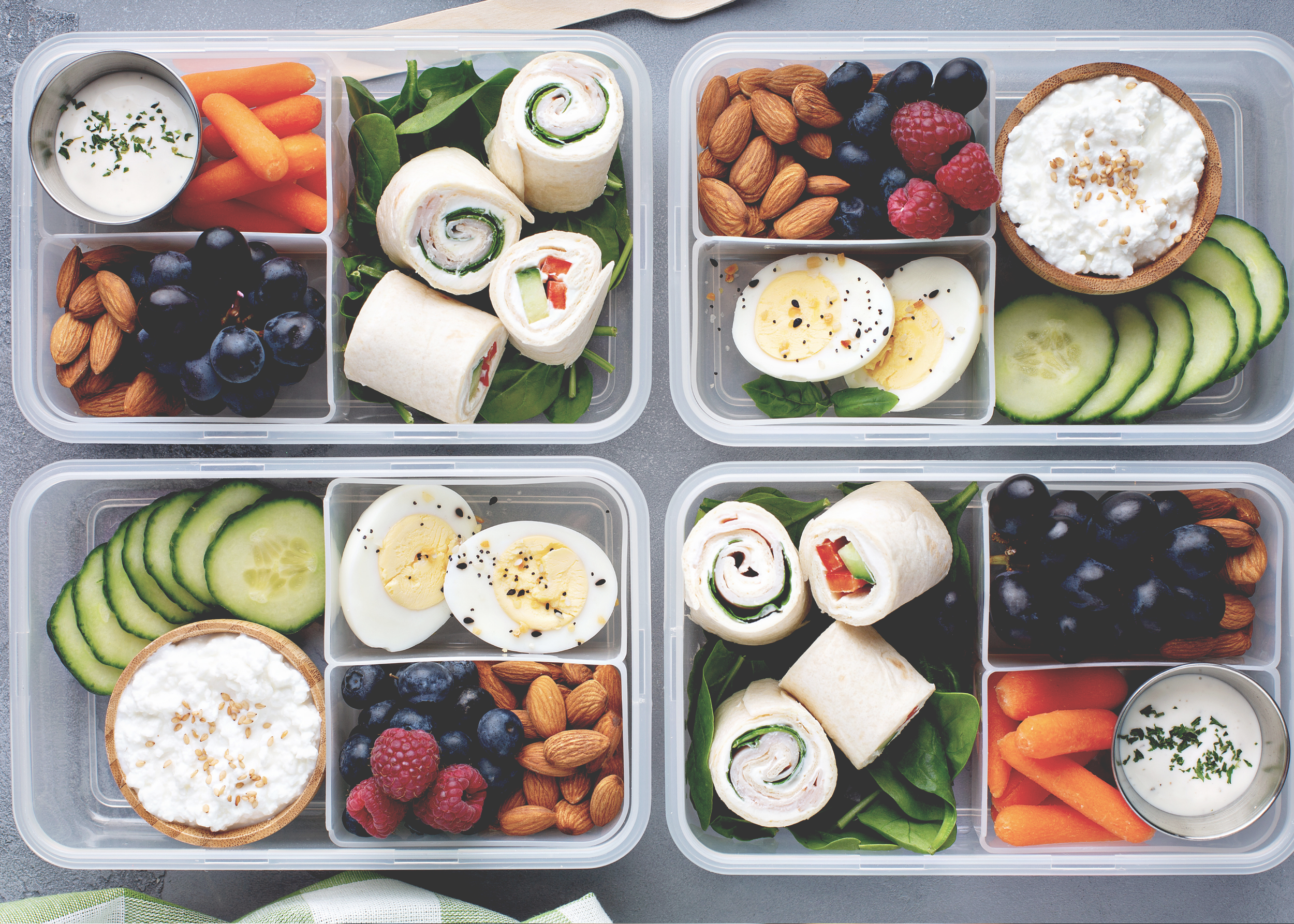
Busy holiday schedules often make eating well a challenge, but small preparations can keep children nourished and calm. Simple snacks such as fresh fruit, veggie sticks with hummus, cheese cubes, yogurt tubes, whole-grain crackers, nuts or seeds (if age-appropriate), homemade trail mix, or mini sandwiches provide good nutrition on the go. Snack prep can be an opportunity for practical life work: children can wash fruit, peel clementines, or pack food into small containers, supporting independence and ownership of the process.
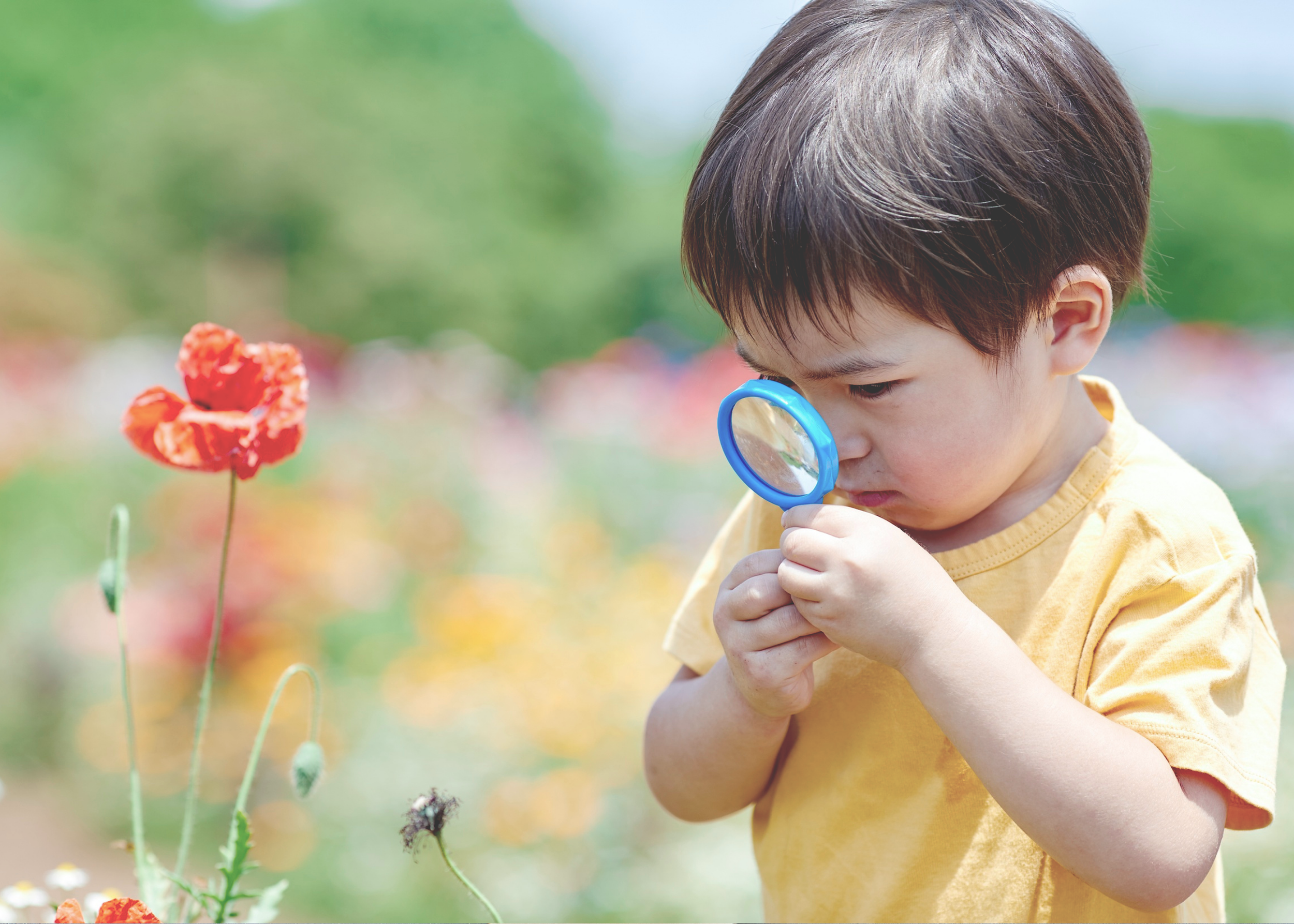
The holidays also bring opportunities for gift-giving, which can be approached with intention and purpose. Montessori principles encourage offering items that support independence, creativity, exploration, and hands-on learning. Open-ended toys like blocks, Magna-Tiles, and figurines; practical life tools such as child-sized kitchen or gardening equipment; books that reflect the child’s interests; art supplies like watercolors, clay, or quality pencils; nature tools like binoculars and field guides; and sensory materials such as puzzles or sorting sets are all thoughtful options. Talking with children about balancing fun and meaningful gifts helps them practice mindful decision-making, rather than being driven by impulse or novelty.

Holiday gatherings can be joyful, but also overwhelming for young children. Large groups, unfamiliar environments, and shifting routines can lead to sensory overload, fatigue, or strong emotions. Parents can support children by bringing calming items, respecting boundaries around physical contact, preparing them for who they will see and what activities are planned, building in short breaks or walks outside, and maintaining realistic expectations. Rather than aiming for perfect behavior, families can focus on co-regulation, empathy, and connection.
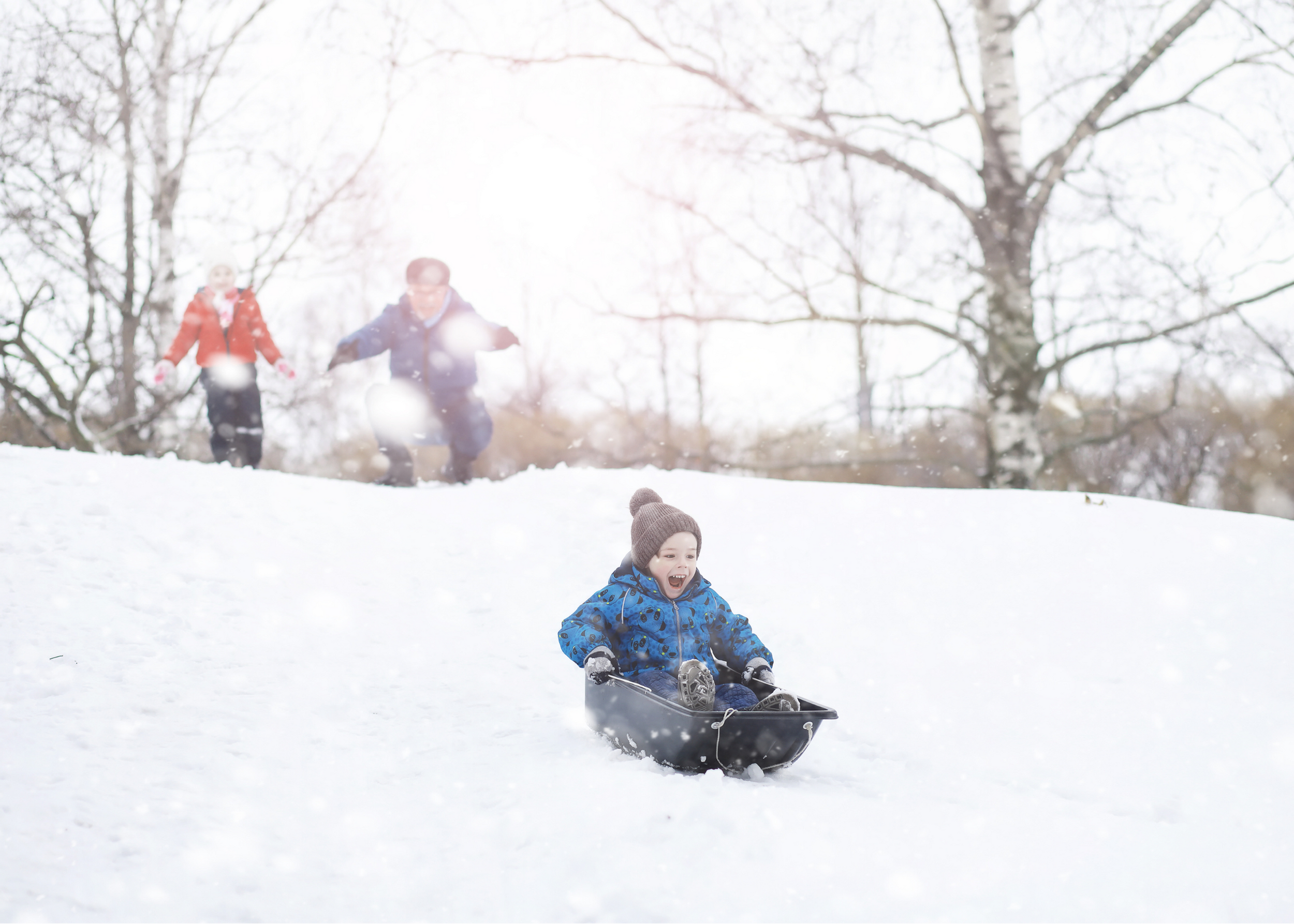
Ultimately, holidays with young children don’t have to feel chaotic or over-scheduled. Slowing down, keeping routines simple, prioritizing a few meaningful activities, and creating space for rest and connection can support everyone’s well-being. Young children don’t remember elaborate itineraries or piles of gifts—they remember how it felt to be held, seen, and cared for in a season full of change. Small adjustments can make a big difference in helping children experience the holidays with security, curiosity, and joy.
